Are Mobile Security Patrols Effective in Deterring Crime?
Crime prevention is a concern for individuals, businesses, and communities alike. In the realm of proactive protection, mobile security patrols...

1299 Farnam St. Ste 300 Omaha, NE 68136
402-285-7009
sigmaprotectiveservices
October 16, 2023
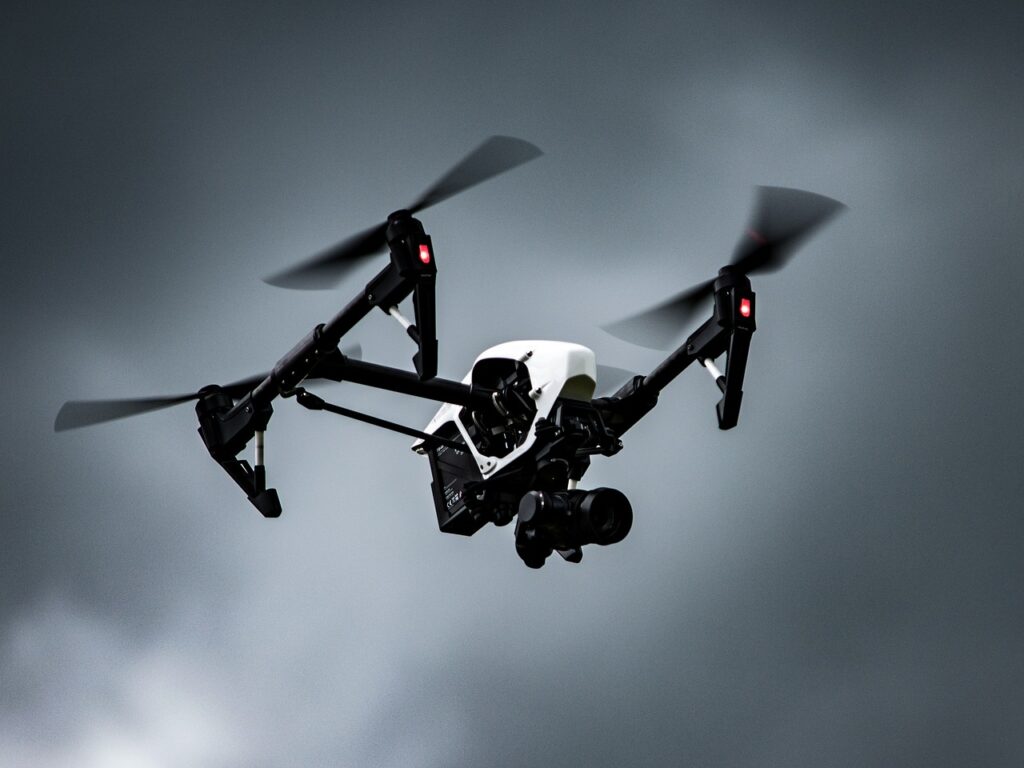
The use of drones in modern security operations has revolutionized the way surveillance is conducted. With advancements in technology, drones have become an invaluable tool for enhancing security measures. These unmanned aerial vehicles (UAVs) offer a wide range of capabilities that traditional surveillance methods cannot match. From providing real-time video feeds to conducting aerial surveys, drones have proven to be an essential asset in the fight against crime and terrorism.
Drones play a crucial role in enhancing security by providing a bird’s eye view of the surroundings. They offer a unique perspective that allows security personnel to identify potential threats and vulnerabilities. By equipping drones with high-definition cameras and infrared sensors, security teams can monitor large areas with ease and detect any suspicious activities. This increased situational awareness enables rapid response and effective decision-making, ensuring the safety of both the public and security personnel.
Moreover, drones have the ability to access hard-to-reach areas that would otherwise be challenging for humans. Whether it’s inspecting tall buildings, searching rugged terrains, or navigating through dense forests, drones can go where humans cannot. This capability is particularly valuable in emergency situations or during natural disasters when time is of the essence. Drones can quickly assess the situation, gather crucial data, and provide valuable information to aid in search and rescue operations.
The advantages of using drones in security operations are manifold. Firstly, drones are cost-effective compared to traditional surveillance methods. They eliminate the need for large numbers of personnel and expensive equipment, reducing operational costs significantly. Drones can be deployed quickly and easily, making them a cost-efficient solution for enhancing security in both urban and remote areas.
Secondly, drones provide a high level of flexibility and agility. They can be deployed at a moment’s notice and can adapt to changing situations in real-time. Unlike fixed surveillance cameras or manned aircraft, drones can cover a vast area and provide continuous monitoring without the need for human intervention. This flexibility allows security personnel to respond swiftly to emerging threats and take appropriate actions.
Thirdly, drones offer a non-intrusive form of surveillance. They can operate discreetly, minimizing the risk of detection by potential criminals or terrorists. Drones equipped with advanced imaging technology can capture high-resolution images and videos, providing irrefutable evidence for investigative purposes. This capability not only enhances security measures but also aids law enforcement agencies in their efforts to prevent and solve crimes.
There are several types of security drones available in the market, each with its unique features and capabilities. The most common type is the quadcopter, which is equipped with four rotors and offers stability and maneuverability. Quadcopters are widely used for surveillance purposes due to their compact size and ease of operation. They can be equipped with various payloads, such as cameras, thermal sensors, or even advanced facial recognition systems.
Another type of security drone is the fixed-wing drone, which resembles a small airplane. Fixed-wing drones are designed for long-distance flights and can cover vast areas in a single mission. They are commonly used in border surveillance and large-scale security operations. Fixed-wing drones can be equipped with high-resolution cameras, radar systems, and even satellite communication devices for seamless data transmission.
Lastly, hybrid drones combine the features of both quadcopters and fixed-wing drones. They offer the best of both worlds – vertical takeoff and landing capabilities, combined with long-range flight capabilities. Hybrid drones are ideal for applications that require extended flight time and the ability to hover and maneuver in confined spaces.
Drones are transforming surveillance operations by providing a more efficient and effective means of gathering intelligence and monitoring activities. The real-time video feeds and high-resolution images captured by drones enable security personnel to assess situations quickly and make informed decisions. Drones equipped with advanced sensors and artificial intelligence algorithms can even detect and track multiple targets simultaneously, reducing the workload for human operators.
Furthermore, drones can be programmed to follow predefined flight paths or patrol specific areas autonomously. This feature allows security teams to focus on analyzing the data collected by the drones rather than manually controlling their movements. The integration of drones with advanced analytics software enables real-time data processing, object recognition, and anomaly detection. This automation enhances the overall effectiveness of surveillance operations and reduces the chances of human error.
Numerous case studies have demonstrated the effectiveness of drones in enhancing security operations. In one instance, a security agency in Omaha, Nebraska, successfully used drones to monitor a large public event. The drones provided real-time video feeds to the command center, allowing security personnel to identify and respond to potential threats promptly. The use of drones not only enhanced situational awareness but also deterred criminal activities, ensuring the safety of the attendees.
In another case, law enforcement agencies in a major city used drones to track and apprehend a group of burglars. The drones, equipped with thermal sensors, were able to detect the heat signatures of the suspects, even in low-light conditions. The real-time video feeds provided by the drones enabled the police to coordinate their efforts and capture the criminals without endangering the lives of officers or the public.
These case studies highlight the significant impact drones can have on security operations. They demonstrate how drones can complement traditional methods of surveillance and provide an added layer of protection to ensure public safety.
While drones offer numerous benefits in security operations, their use is subject to regulations and legal considerations. Governments and aviation authorities have implemented specific rules to ensure the safe and responsible use of drones. These regulations cover aspects such as flight altitude limits, no-fly zones, and registration requirements for drone operators.
In addition to aviation regulations, privacy laws also come into play when using drones for surveillance purposes. It is essential to respect individuals’ right to privacy and comply with local laws governing the collection and use of personal data. Security agencies must strike a balance between utilizing drones for enhancing security and respecting the privacy of individuals.
While drones have proven to be a valuable asset in security operations, they also come with their own set of challenges and limitations. One significant challenge is the limited flight time and range of most drones. Although advancements in battery technology have extended flight times, drones still have limitations when it comes to covering large areas or operating in remote locations.
Weather conditions can also impact the performance of drones. Strong winds, heavy rain, or extreme temperatures can affect flight stability and compromise the quality of video feeds. Security agencies must consider weather conditions and make alternative arrangements to ensure continuous surveillance.
Another limitation is the susceptibility of drones to hacking or jamming. As drones rely on wireless communication systems, they can be vulnerable to cyberattacks. Security measures must be implemented to protect drones from unauthorized access and ensure the integrity of the data they collect.
The future of security operations with drones looks promising, with ongoing advancements in drone technology. One significant trend is the development of autonomous drones that can operate without human intervention. These drones can navigate complex environments, avoid obstacles, and perform tasks autonomously, reducing the need for human operators.
Another trend is the integration of artificial intelligence (AI) and machine learning algorithms into drones. AI-powered drones can analyze vast amounts of data in real-time, identify patterns, and detect anomalies. This capability enhances the effectiveness of surveillance operations and enables proactive threat detection.
Furthermore, advancements in sensor technology will enable drones to capture more detailed and accurate data. High-resolution cameras, advanced imaging sensors, and hyperspectral cameras will provide security personnel with better situational awareness and more precise information.
In conclusion, drones have revolutionized modern surveillance operations by enhancing security measures in ways that were previously unimaginable. The importance of drones in enhancing security cannot be overstated, as they provide a unique perspective, flexibility, cost-effectiveness, and non-intrusive surveillance capabilities. From quadcopters to fixed-wing drones and hybrid models, there is a wide range of options available to meet various security needs.
While there are challenges and limitations associated with using drones in security operations, ongoing advancements in technology and the development of regulations will address these concerns. The future of security operations with drones will see the integration of autonomous capabilities, AI-powered analytics, and advanced sensor technology. With these advancements, drones will continue to play a pivotal role in ensuring public safety and protecting critical infrastructure.
As the world becomes increasingly interconnected, security agencies must embrace the potential of drones and leverage their capabilities to stay one step ahead of emerging threats. By harnessing the power of drones, security operations can be more efficient, effective, and proactive in safeguarding our communities.
Crime prevention is a concern for individuals, businesses, and communities alike. In the realm of proactive protection, mobile security patrols...
Our Location Omaha, NE 68136 Call Us 402-285-7009 Home About Us Services Vehicle Patrol Division Suite Of Technology Media Center...
Our Location Omaha, NE 68136 Call Us 402-285-7009 Home About Us Services Vehicle Patrol Division Suite Of Technology Media Center...

Sigma Protective Services is a full-service private security company, primarily serving clients in Omaha, NE and surrounding areas.